Two steel pole towers can have the same height and still require completely different designs. One may support only a small number of antennas in a moderate wind environment, while another may need to carry heavier equipment, withstand stronger winds, or operate in an area where ice accumulation is a design consideration. The difference lies not in the height alone, but in the loads the structure is expected to withstand.
For a steel pole tower, these loads influence almost every part of the engineering process, from pole diameter and wall thickness to steel grade, connection details, and foundation requirements. What looks like a straightforward vertical structure is actually designed around how forces move through the pole and into the ground.
This is also why a tower specification cannot be separated from its application. The required equipment, installation environment, foundation conditions, and applicable design standards all need to be understood before the final structure is determined. For buyers evaluating electric tower manufacturers, this load-based approach is an important distinction: the right tower is not simply the one with the desired height, but the one engineered for the conditions it will actually face.
Before the dimensions of a steel pole tower can be finalized, engineers need to establish what the structure will be required to carry. The tower's own weight is an obvious starting point, but it is only one part of the overall design condition.
Permanent loads include the weight of the pole, mounting components, antennas, cables, equipment, platforms, brackets, and other components that remain attached during normal operation. These loads are generally predictable, but their location matters. Equipment positioned near the top of the pole can have a greater influence on the structural response than the same equipment installed closer to the base.
Environmental loads can be more complicated. Wind acting on the pole and attached equipment produces horizontal forces and bending effects. In regions where ice accumulation is relevant, the additional weight of ice and its effect on exposed surface area may also need to be considered. Depending on the application, maintenance loads and other temporary or operational conditions may form part of the required design cases.
These forces are not normally assessed as unrelated individual values. The applicable structural standard establishes the load cases and combinations that need to be checked for the specific project. This is important because the most demanding condition may result from a combination of loads rather than from the tower's dead weight alone.
For electric tower manufacturers, receiving accurate information about the intended application at an early stage therefore makes a meaningful difference. A tower designed without a clear understanding of its equipment and environmental conditions may need to be revised later, whereas a load-based specification gives the manufacturer a much clearer engineering target.
Wind is often one of the most influential factors in the design of a steel pole tower. Unlike vertical weight, wind produces lateral forces that cause bending along the height of the pole. The resulting structural demand depends not only on the wind conditions but also on the shape and height of the tower and everything attached to it.
As a pole becomes taller, the position of the wind-affected area becomes increasingly important. Forces acting high above the foundation create a larger lever arm, which can increase the bending effects that must be resisted near the base. This is one reason why simply extending a standard pole to achieve greater height is not necessarily an appropriate engineering solution.
The surrounding environment also affects the wind design. Geographic location, terrain, exposure, building surroundings, tower height, and the requirements of the governing structural standard can all influence the wind parameters used in the calculation. A tower intended for an open site may therefore have different requirements from one installed in a more sheltered environment.
Ice introduces another consideration where freezing conditions are expected. Accumulated ice adds weight to the tower and its equipment and can increase the effective area exposed to wind. The combination of ice and wind can consequently create a more demanding condition than either factor considered independently.
For this reason, a steel pole tower intended for a cold or high-wind region should be designed using the environmental criteria applicable to its actual installation site. There is no single wind or ice value that can reliably represent every project. The final design needs to follow the relevant local requirements and project-specific engineering assumptions.
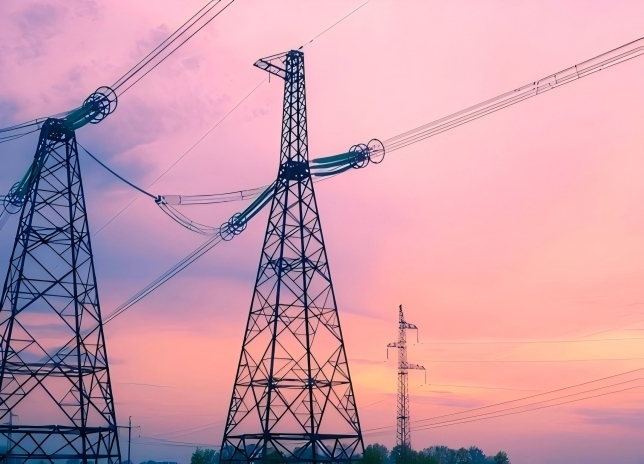
A tower's structural requirements can change considerably once antennas and equipment are added. The weight of the equipment creates additional vertical loading, but its size and position can also increase wind-induced forces.
Consider two installations with similar total equipment weight. If one places most of that equipment close to the top of the steel pole tower, its effect on bending and overturning may be greater than an arrangement where the equipment is positioned lower. Similarly, a large microwave dish can have a different wind effect from a compact antenna because of its projected area and geometry.
Mounting brackets, feeders, cables, cabinets, platforms, and other accessories also form part of the installed system. Leaving these components out of the preliminary assessment can result in an incomplete picture of the actual load condition.
The issue becomes particularly important when an existing tower is modified. Adding antennas may appear to be a relatively small change, but the additional equipment can alter both the vertical loading and wind response. The existing pole, connections, and foundation should therefore be reviewed before the upgrade is approved.
Future expansion is worth considering during the initial design as well. If additional antennas or equipment are likely to be installed later, allowing for a realistic future configuration can make subsequent upgrades easier to manage. It also gives electric tower manufacturers a better understanding of the structural requirements from the outset.
For project teams comparing available configurations, JunJiang Tower's tower product range provides a useful starting point for understanding the types of structures available. The final selection, however, should always be matched to the actual equipment arrangement, site conditions, and engineering requirements rather than chosen solely by appearance or nominal height.
The load-bearing capacity of a steel pole tower comes from the interaction of its geometry, material, structural behavior, connections, and foundation. It cannot be represented by a single number without knowing the conditions under which that number applies.
Pole diameter and wall thickness are fundamental variables. A larger or thicker section can provide greater structural resistance, but increasing steel quantity is not automatically the most efficient solution. Engineers need to balance strength, stiffness, weight, fabrication requirements, and the distribution of structural demand along the pole.
Steel grade also affects the available material strength. At the same time, the tower must be checked for the relevant modes of structural behavior, including bending, axial forces, local effects, stability, and connection capacity where applicable.
The pole's geometry can be particularly important. A tapered structure can be designed with more material where structural demand is higher and less where demand is lower. This allows the tower to be engineered around its actual load distribution rather than treating every section as equally critical.
| Design factor | Effect on the tower | Why it needs to be assessed |
|---|---|---|
| Tower height | Influences wind exposure and bending effects | A taller structure generally experiences different structural demands than a shorter one. |
| Pole diameter and wall thickness | Influence strength and stiffness | These dimensions determine how the pole responds to applied loads. |
| Steel grade | Determines material strength characteristics | The selected material needs to satisfy the applicable structural requirements. |
| Antennas and equipment | Add weight and wind-exposed area | Equipment configuration can substantially change the overall load condition. |
| Wind and ice conditions | Create environmental loading | Local climate and applicable standards determine the required design conditions. |
| Connections and foundation | Transfer structural reactions | A strong pole still requires adequate connections and foundation support. |
This broader view is important when comparing electric tower manufacturers. A technically appropriate manufacturer should be able to work from project-specific requirements rather than offering a generic pole based only on height and material thickness.
The foundation is where the structural design of the steel pole tower meets the ground. Wind and equipment loads create reactions at the base of the pole, and those reactions must be transferred safely through the foundation and into the supporting soil.
A foundation that is suitable for one site may not be suitable for another. Soil strength, density, groundwater conditions, soil layering, and other geotechnical characteristics can affect how the ground responds to the loads imposed by the tower.
This becomes especially important when the tower is exposed to significant overturning forces. The foundation needs to provide adequate resistance while controlling movement and maintaining the stability required by the design. The actual foundation arrangement therefore cannot be determined reliably from tower height alone.
The condition of the existing ground can also affect construction decisions. A site with favorable soil characteristics may allow a relatively straightforward foundation solution, while weaker or more complicated ground conditions may require a different engineering approach.
For this reason, soil information should be incorporated into the project whenever it is available and required by the design process. Coordination between the structural engineer, geotechnical professional, tower manufacturer, and installation contractor helps ensure that the pole and its foundation are designed as one system.
The final specification of a steel pole tower is normally the result of several stages of engineering rather than a simple product selection. The process begins by defining what the tower needs to support and where it will operate.
Application requirements establish the basic parameters, including the intended tower height, equipment type, antenna arrangement, and installation environment. Environmental information is then considered alongside these requirements so that the relevant wind, ice, and other design conditions can be established according to the applicable standards.
Once the load conditions are known, engineers can work toward the appropriate pole geometry, wall thickness, steel grade, connection arrangement, and foundation reactions. These parameters are interconnected. Changing the tower height can alter wind effects; changing the equipment arrangement can alter the loading; and changing the support conditions can affect how the tower transfers those loads.
Manufacturing requirements come into the picture after the engineering basis has been established. Fabrication quality, welding, dimensional tolerances, surface protection, inspection, and other production details all influence the reliability of the finished structure. This is where the capabilities and experience of electric tower manufacturers become particularly relevant.
It is useful to distinguish between a preliminary specification and a final engineered specification. Early project planning may only require an estimated height and approximate equipment load. Before production, however, the tower should be checked against the actual project conditions and the requirements of the responsible engineering team.
For JunJiang Tower, this project-specific approach helps connect manufacturing with the actual application. If the required height, equipment arrangement, site conditions, or preliminary drawings are already available, sharing those project details with JunJiang Tower can make the technical discussion more precise and help determine what information is needed for the next stage of design.
Designing a steel pole tower for different load requirements is fundamentally an exercise in matching the structure to the conditions it will face. Height alone does not determine the tower specification. Wind, ice, equipment, pole geometry, steel properties, connections, foundation design, and soil conditions all contribute to the final engineering decision.
The most reliable design process considers these elements together. A pole with sufficient material strength may still be unsuitable if its geometry, connections, or foundation do not match the actual loading condition. Likewise, adding equipment to an existing tower can change the structural demands enough to justify a new assessment.
For buyers comparing electric tower manufacturers, the ability to translate project conditions into a practical structural specification is therefore an important consideration. Clear technical requirements and early coordination can reduce redesign, improve procurement accuracy, and help ensure that the finished tower is appropriate for its intended service environment.
JunJiang Tower combines tower manufacturing capabilities with project-oriented technical communication, allowing different tower configurations to be considered according to their intended application. Whether the project involves a new installation or a modification to an existing structure, establishing the actual load requirements first provides a much stronger basis for selecting and specifying the tower.
The main considerations generally include the tower's self-weight, antenna and equipment loads, wind loads, applicable ice loads, and other load cases required by the governing structural standard.
Not necessarily. Tower height affects structural demand, but the final diameter, wall thickness, steel grade, and geometry depend on the complete load condition and applicable design requirements.
Antennas add weight and increase the wind-exposed area. Their size, number, elevation, and arrangement can therefore affect both the pole and foundation design.
The foundation transfers tower reactions into the ground. Soil characteristics influence the foundation's ability to resist vertical, lateral, and overturning effects and maintain overall stability.
It may be possible, but the tower, connections, and foundation should be reassessed against the revised equipment and environmental loads before an upgrade is carried out.
Useful project information includes tower height, application, equipment and antenna arrangement, installation location, environmental conditions, available soil or foundation information, and applicable design standards.

 English
 Español
 français
 português
 العربية
 русский