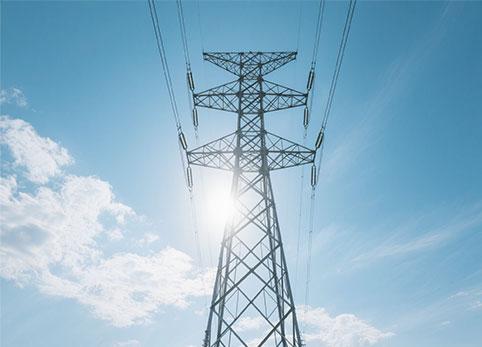
A rooftop may seem like a convenient place to expand wireless coverage, particularly when available land is limited. But the usable area of a roof tells only part of the story. Once a rooftop telecom tower is introduced, the existing building has to accommodate the tower itself as well as antennas, cables, equipment, and the forces created by wind.
That is why building load capacity can influence almost every major decision in a rooftop telecom project. It can affect where the tower is installed, how high it can be, which support arrangement is suitable, how antennas are positioned, and whether reinforcement is needed. A mobile tower on roof is therefore best treated as an extension of the existing structure rather than as an independent piece of steel equipment.
For operators, contractors, and building owners, making this assessment early can avoid an expensive situation later: a tower has already been selected, but the building cannot accommodate the proposed configuration without modification. A more practical approach is to look at the building, tower, antenna system, and expected loads together and let the structural conditions guide the final design.
Building load capacity describes the ability of an existing structure to safely resist the loads imposed on it under the relevant design conditions. In a rooftop telecom project, this involves much more than checking the weight of the steel tower.
A typical rooftop telecom tower creates a combination of permanent and variable loads. The steel structure has its own weight, while antennas, mounting brackets, feeders, platforms, and other equipment add further weight. Maintenance activities may introduce additional temporary loads, depending on the installation and applicable design requirements.
Wind is equally important. Unlike the tower's dead weight, wind produces horizontal forces and overturning effects. Antennas can increase the exposed area considerably, meaning that a relatively compact equipment arrangement can still have a meaningful influence on the structural response of the building.
Another point that is sometimes overlooked is the load path. The forces generated by a mobile tower on roof do not simply stop at the tower base. They pass through the tower legs, brackets, anchors, beams, slabs, columns, and ultimately the supporting structure of the building. A sound design therefore needs to consider this complete path rather than looking at the tower in isolation.
The same tower can perform very differently depending on the building beneath it. A reinforced concrete building with substantial structural members may offer several practical installation locations, while an older structure or a roof with limited structural reserve may require a much more carefully positioned tower.
The first issue is usually the roof's structural arrangement. Engineers need to understand where the primary beams, columns, load-bearing walls, and other significant structural members are located. The tower support points should be coordinated with these members so that the resulting reactions can be transferred effectively into the building.
Existing rooftop loads also matter. Air-conditioning equipment, water tanks, solar panels, communication equipment, maintenance structures, and other permanent installations may already be using part of the building's structural capacity. Adding a rooftop telecom tower means adding new demands to an existing structural system, not starting with an empty roof.
Location can consequently become just as important as tower size. If one part of the roof is directly supported by stronger structural members, it may be a more appropriate location than another area with similar available floor space. This can sometimes allow the project to retain its required tower configuration without unnecessary structural work.
| Roof or site condition | How it can affect the design |
|---|---|
| Strong structural members close to the proposed tower position | May provide a more favorable load-transfer route for the tower support system. |
| Limited remaining structural capacity | May require a lighter configuration, reduced equipment loading, relocation, or reinforcement. |
| Significant existing rooftop equipment | Reduces the structural margin available for the new installation and may affect tower positioning. |
| Older or deteriorated structural elements | May require investigation and possible strengthening before installation. |
| Highly exposed rooftop location | May increase wind-related forces and influence tower height, geometry, and antenna arrangement. |
These conditions explain why there is no single rooftop tower configuration that can be applied to every building. The appropriate solution has to reflect the structure that will actually support it.
In many projects, the tower structure itself is only part of the final loading condition. The antenna system can have an equally important influence on the design, particularly when several antennas or large communication devices are installed at higher elevations.
Every antenna contributes its own weight, but weight is not the only consideration. Its size and orientation determine how much wind it presents to the surrounding airflow. Microwave dishes, for example, can have a very different effect from smaller panel antennas because their exposed surface area and geometry are different.
Cables and feeders also need to be accounted for. Depending on the system, additional equipment may be mounted on the tower or near its base, while brackets and support frames add their own permanent loads. A complete structural assessment therefore needs to reflect the actual equipment schedule rather than relying on the nominal weight of an empty tower.
This becomes particularly relevant when an existing mobile tower on roof is being upgraded. An operator may want to add antennas to increase network capacity without replacing the tower. Whether that is feasible depends on the original structural assumptions and the loads created by the proposed modification.
Planning for future expansion during the original design can make such upgrades easier. If the expected antenna arrangement and equipment requirements are known in advance, the tower can be evaluated with those conditions in mind instead of having to reassess an installation every time new equipment is proposed.
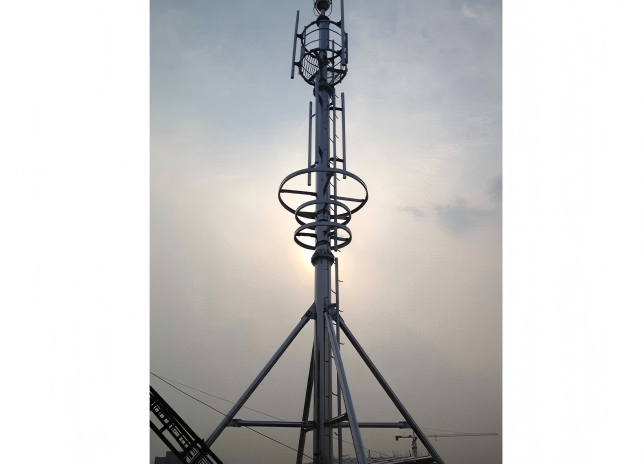
For rooftop structures, wind can become a decisive design factor because the tower is positioned at the upper part of an existing building and is often exposed to unobstructed airflow. The resulting forces act differently from simple vertical loads and can place significant demands on the tower support system.
As tower height increases, wind acting above the roof can create greater overturning effects at the support level. Antennas and other equipment add to this effect because they increase the area exposed to the wind. Their position on the tower also matters: equipment mounted higher up generally has a different structural effect from equipment installed closer to the roof.
Wind is also variable rather than perfectly constant. Turbulence and changing wind conditions can cause the tower and its equipment to respond dynamically. The building itself can influence airflow around the rooftop, so the surrounding environment and building geometry need to be considered as part of the engineering assessment.
For a rooftop telecom tower, the relevant wind design parameters should be established according to the applicable local standards and actual project conditions. These may include the building height, geographic location, exposure conditions, tower geometry, antenna configuration, and other factors specified by the governing code.
The important distinction is that tower strength and building strength are two separate questions. A tower may have adequate structural capacity while the roof or its connections do not. The entire system has to work together for the installation to perform as intended.
Reinforcement is generally considered when the existing structure cannot safely accommodate the loads or reactions generated by the proposed installation. However, it should not be assumed simply because a tower is being installed on a roof. The need for strengthening should come from an engineering assessment of the existing structure and the proposed loads.
One possible issue is insufficient capacity in the roof slab or supporting beams. Another is a localized concentration of forces around the tower supports. Even if the building has adequate overall capacity, a particular connection point may require attention because the tower transfers significant reactions through a relatively small area.
The condition of the existing structure also matters. Deterioration, previous modifications, undocumented alterations, or changes in building use can affect the capacity available for a new installation. This is why existing drawings, structural records, and, where necessary, an on-site investigation can be valuable before the tower design is finalized.
If strengthening is required, the solution depends on the specific structural problem. Engineers may modify the support arrangement, improve load distribution, strengthen selected structural members, relocate the tower, or revise the tower and equipment configuration. There is no universal reinforcement method because the appropriate solution depends on the building's structural system.
From a project-planning perspective, identifying this issue early is much more useful than discovering it after the tower has been manufactured. When discussing a new tower with JunJiang Tower, providing available building drawings, proposed tower dimensions, antenna information, and installation conditions can help make the technical discussion more specific. The range of tower products and configurations from JunJiang Tower can then be considered in the context of the actual project rather than selected independently from the building.
A load assessment does more than determine whether a roof can support a tower. It helps define what the tower should actually look like.
Suppose a project requires a particular antenna height for network coverage, but the proposed location has limited structural capacity. The solution may involve changing the support arrangement, adjusting tower geometry, relocating the tower to a stronger part of the building, or reconsidering the equipment layout. In another project, the building may have sufficient capacity, allowing the design to focus more heavily on installation access, maintenance, future expansion, and overall cost.
This is why tower height should not be considered independently from antenna loading. Increasing the height can alter the wind response, while adding equipment can increase both vertical and lateral demands. The final configuration emerges from the relationship between these factors.
The same principle applies to a mobile tower on roof that is being upgraded. Before additional antennas or equipment are installed, the original tower and its supporting structure should be checked against the revised loading condition. The fact that the tower has performed well in its current configuration does not automatically mean that it has enough capacity for the proposed upgrade.
For manufacturers and buyers, good technical information at the beginning of the project can make the design process considerably more efficient. Building height, roof structure, proposed tower height, antenna quantity and type, equipment weight, installation position, and local environmental conditions all help establish the engineering context.
That information also makes communication between the building owner, structural engineer, tower manufacturer, and installation contractor more straightforward. Instead of treating the tower as an isolated product, the project team can work toward a configuration that fits the building and the intended telecom application.
When a project reaches the stage where tower specifications, customization, manufacturing details, or installation-related requirements need to be discussed, the most useful next step is usually a project-specific technical review. Contacting JunJiang Tower with the project requirements allows the proposed application to be discussed before the final tower configuration is confirmed.
Building load capacity is one of the factors that most directly shapes the design of a rooftop telecom tower. It determines more than whether the roof can physically carry the structure. It affects tower positioning, support details, equipment arrangement, antenna loading, wind response, and the potential need for reinforcement.
The most reliable approach is to assess the building and the proposed telecom installation together. The tower, antennas, equipment, mounting system, and existing structure form one load-transfer system, and changes to any one of these elements can influence the others.
For a new mobile tower on roof, early load assessment can help avoid unnecessary redesign and identify structural issues before fabrication and installation. For an existing rooftop installation, the same principle applies when antennas or equipment are added.
JunJiang Tower can provide the tower manufacturing and configuration side of this process, while the structural adequacy of the building should be verified by the responsible structural engineering professionals. With those two aspects coordinated from the beginning, a rooftop telecom project is much more likely to achieve the required network function without overlooking the limitations of the building that supports it.
Because the tower transfers its weight, equipment loads, wind forces, and support reactions into the existing building. The building must be able to safely accommodate the combined effects.
No. The need for reinforcement depends on the building's existing capacity, structural condition, tower configuration, support arrangement, and applicable engineering requirements.
Antennas add weight and increase exposed wind area. Their size, number, position, and orientation can therefore affect both the tower and its supporting structure.
A rooftop tower is exposed to wind at an elevated position. Wind can create lateral and overturning forces that are transferred through the tower supports into the building.
Possibly, but the existing tower and building should be reassessed first. Additional antennas can change both vertical loading and wind-related forces.
Important information includes the building and roof structure, proposed tower height, antenna configuration, equipment loads, installation location, local environmental conditions, and applicable design standards.


 English
 Español
 français
 português
 العربية
 русский