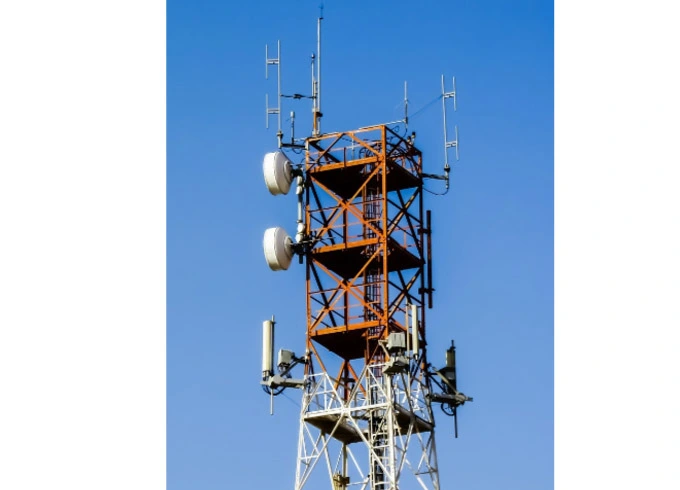
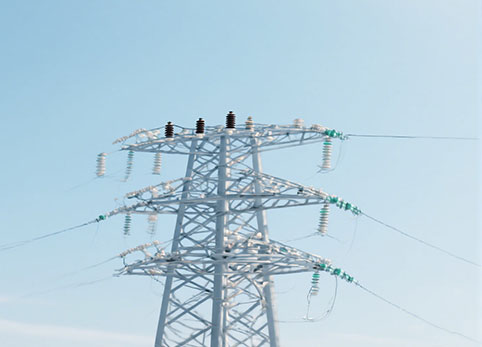
Building a wireless network is no longer only about adding more base stations; it is about creating infrastructure that can support decades of technological evolution. Across metropolitan areas, remote communities, and rapidly developing regions, communication providers are facing the same challenge: expanding coverage while ensuring that existing infrastructure can adapt to higher capacity demands and future network upgrades.
In this changing environment, the telecom lattice tower continues to serve as a reliable foundation for large-scale wireless deployment. Its structural flexibility, high load-bearing capability, and adaptability to different environments make it a preferred choice for many communication projects worldwide. Whether supporting dense urban networks, rural connectivity programs, or next-generation mobile services, lattice tower structures provide the scalability required by modern telecommunications.
As operators evaluate different types of telecommunication towers, factors such as equipment capacity, installation conditions, environmental exposure, and long-term expansion potential become increasingly important. Understanding how each tower structure performs under real-world conditions helps network developers build more resilient communication infrastructure for the future.
The evolution of wireless communication has changed the requirements for telecom infrastructure. Modern networks are expected to support not only voice and mobile data services but also smart cities, industrial automation, connected vehicles, IoT applications, and other data-intensive technologies. These developments require communication systems with wider coverage, stronger capacity, and greater reliability.
For telecom operators and infrastructure developers worldwide, network expansion involves more than installing additional equipment. Tower structures must provide sufficient strength for increasingly complex antenna configurations while allowing future upgrades as technologies continue to advance. This is especially important as operators balance current 4G requirements with expanding 5G deployments and future communication standards.
A telecom lattice tower meets these demands through its efficient steel framework design. By distributing structural loads through interconnected members, lattice towers can support multiple communication devices while maintaining stability in various deployment conditions. This makes them suitable for large-scale network projects across different regions and markets.
The infrastructure requirements of global communication networks also vary significantly. Urban environments often require solutions that support high traffic volumes and dense equipment installation, while rural and remote areas may prioritize coverage range, durability, and simplified maintenance. Flexible tower designs allow network planners to address these different connectivity challenges effectively.
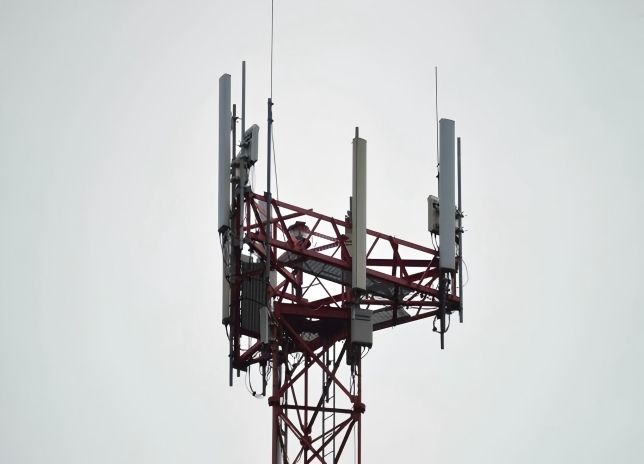
The continued adoption of a telecom lattice tower is closely linked to its structural advantages and operational flexibility. Unlike some compact tower designs, lattice towers use an open framework that provides excellent strength while reducing unnecessary material usage. This balance allows them to support demanding communication applications while maintaining structural efficiency.
One of the most important benefits of lattice tower structures is their ability to accommodate heavy communication equipment. Modern wireless sites may include multiple antennas, microwave systems, remote radio units, and other transmission components. The strong framework of a lattice tower enables these systems to be installed securely, helping operators improve network performance without rebuilding the entire structure.
The open-frame design also provides advantages in areas exposed to challenging weather conditions. By allowing airflow through the structure, lattice towers can reduce wind pressure compared with some solid tower alternatives. With proper engineering, material selection, and protective treatment, they can support reliable operation in coastal areas, mountainous regions, and other demanding environments.
Among different types of telecommunication towers, lattice towers are often selected for projects where long-term reliability, equipment capacity, and expansion flexibility are key priorities. Their proven structural performance continues to make them an important part of global wireless infrastructure development.
Communication networks are constantly evolving, and infrastructure decisions made today can influence network performance for many years. A tower structure that only meets current requirements may create limitations when operators need to introduce new technologies or increase network capacity.
A telecom lattice tower provides valuable flexibility because its structure can support future modifications. Operators can add antennas, adjust equipment arrangements, and integrate upgraded communication systems while continuing to use the existing tower foundation. This approach helps improve investment efficiency and reduces the need for frequent infrastructure replacement.
This adaptability is particularly important in global markets where communication demands continue to change. Emerging regions may require gradual network expansion, while mature markets may focus on improving capacity in high-demand locations. A scalable tower solution allows operators to respond more efficiently to different growth patterns.
As communication projects vary in height requirements, equipment capacity, and deployment environments, selecting the right tower configuration is an important step in infrastructure planning. Companies can review Junjiang Tower’s range of telecom tower solutions to better understand how different structures support various wireless network applications and project requirements.
Choosing between different types of telecommunication towers requires careful consideration of technical specifications, geographic conditions, and long-term operational goals. There is no single tower structure suitable for every project, as each deployment has unique requirements related to coverage, equipment loading, installation space, and environmental factors.
| Tower Structure Type | Main Characteristics | Typical Applications |
|---|---|---|
| Telecom Lattice Tower | High structural strength, strong equipment capacity, flexible for future upgrades | Large-scale wireless networks, rural connectivity, high-capacity communication sites |
| Monopole Tower | Compact structure with a smaller footprint and simplified installation | Urban areas with limited space availability |
| Guyed Tower | Lightweight structure supported by guy wires | Wide open areas requiring tall communication structures |
| Self-Supporting Tower | Independent structure with strong stability and durability | High-demand communication sites and challenging locations |
Urban projects often place greater emphasis on space utilization, installation restrictions, and visual considerations. In contrast, remote deployments may focus more on coverage range, transportation conditions, and long-term reliability. Understanding these differences allows network planners to select the most appropriate tower solution.
Working with an experienced tower provider can help organizations evaluate structural requirements more effectively. Junjiang Tower supports international customers with telecom infrastructure solutions designed for different deployment scenarios. Because every telecom project involves different factors such as terrain conditions, network capacity goals, and installation environments, organizations with specific requirements can connect with Junjiang Tower’s technical team through the contact page for further discussion.
Communication infrastructure must deliver consistent performance across a wide range of geographical conditions. Telecom networks may operate in humid tropical regions, cold climates, coastal environments, deserts, and mountainous areas, where structural durability becomes a critical factor.
A telecom lattice tower can be engineered to meet different environmental challenges through appropriate structural design, material selection, and protection methods. For example, towers installed in coastal regions require effective corrosion resistance, while high-wind locations require careful structural calculations to maintain stability.
Remote deployment environments also create additional challenges related to transportation, installation, and maintenance. The flexible design of lattice towers allows engineers to develop solutions suitable for locations where accessibility and long-term operation are major considerations.
This adaptability is one reason lattice towers continue to support communication expansion across global markets. From improving rural connectivity to strengthening urban network capacity, they provide a practical foundation for diverse wireless infrastructure requirements.
The future of telecommunications will depend on infrastructure that can support continuous innovation. As network technologies develop, operators will need tower structures capable of handling increasing equipment requirements without significant reconstruction.
A telecom lattice tower provides long-term value by combining structural durability with upgrade flexibility. Instead of replacing existing infrastructure during every technology transition, operators can optimize tower assets through equipment upgrades and configuration adjustments.
The continued development of smart cities, industrial connectivity, digital services, and advanced communication applications will increase demand for reliable tower infrastructure. Among various types of telecommunication towers, lattice towers are expected to remain an important solution for supporting global wireless network expansion.
With experience in telecom infrastructure solutions, Junjiang Tower continues to provide reliable tower structures designed to meet the changing needs of communication networks worldwide.
As wireless connectivity expands across global markets, communication infrastructure must provide more than basic support. It must offer flexibility, durability, and the ability to adapt to future technology requirements.
A telecom lattice tower continues to play an important role in large-scale network expansion because of its structural strength, equipment capacity, and long-term scalability. By understanding different types of telecommunication towers and evaluating project-specific conditions, telecom operators and infrastructure developers can build communication networks that remain reliable and adaptable for years ahead.
A telecom lattice tower is used to support antennas, transmission equipment, and wireless communication systems for mobile networks, broadcasting, and other communication applications.
They provide strong structural stability, high equipment capacity, and flexibility for future upgrades, making them suitable for expanding communication infrastructure.
The main types include lattice towers, monopole towers, guyed towers, and self-supporting towers. Each structure is designed for different environments and network requirements.
Yes. Its adaptable structure allows operators to install additional antennas and communication equipment as network technologies develop.
Yes. With proper engineering, corrosion protection, and structural design, they can operate effectively in various challenging environments worldwide.
Companies should consider coverage requirements, equipment capacity, environmental conditions, installation limitations, and future expansion plans before selecting a tower type.

 English
 Español
 français
 português
 العربية
 русский