In the rapidly evolving world of telecommunications, selecting the right infrastructure is a foundational decision that influences project costs, signal coverage, and regulatory compliance for decades. As urban density increases, telecom operators and developers are frequently weighing the benefits of a mobile tower on roof installation against the traditional ground-based structure. While both serve the primary purpose of expanding network reach, they represent fundamentally different engineering and logistical approaches. Understanding the nuances between a rooftop telecom tower and its ground-based counterpart is critical for optimizing your network's return on investment.
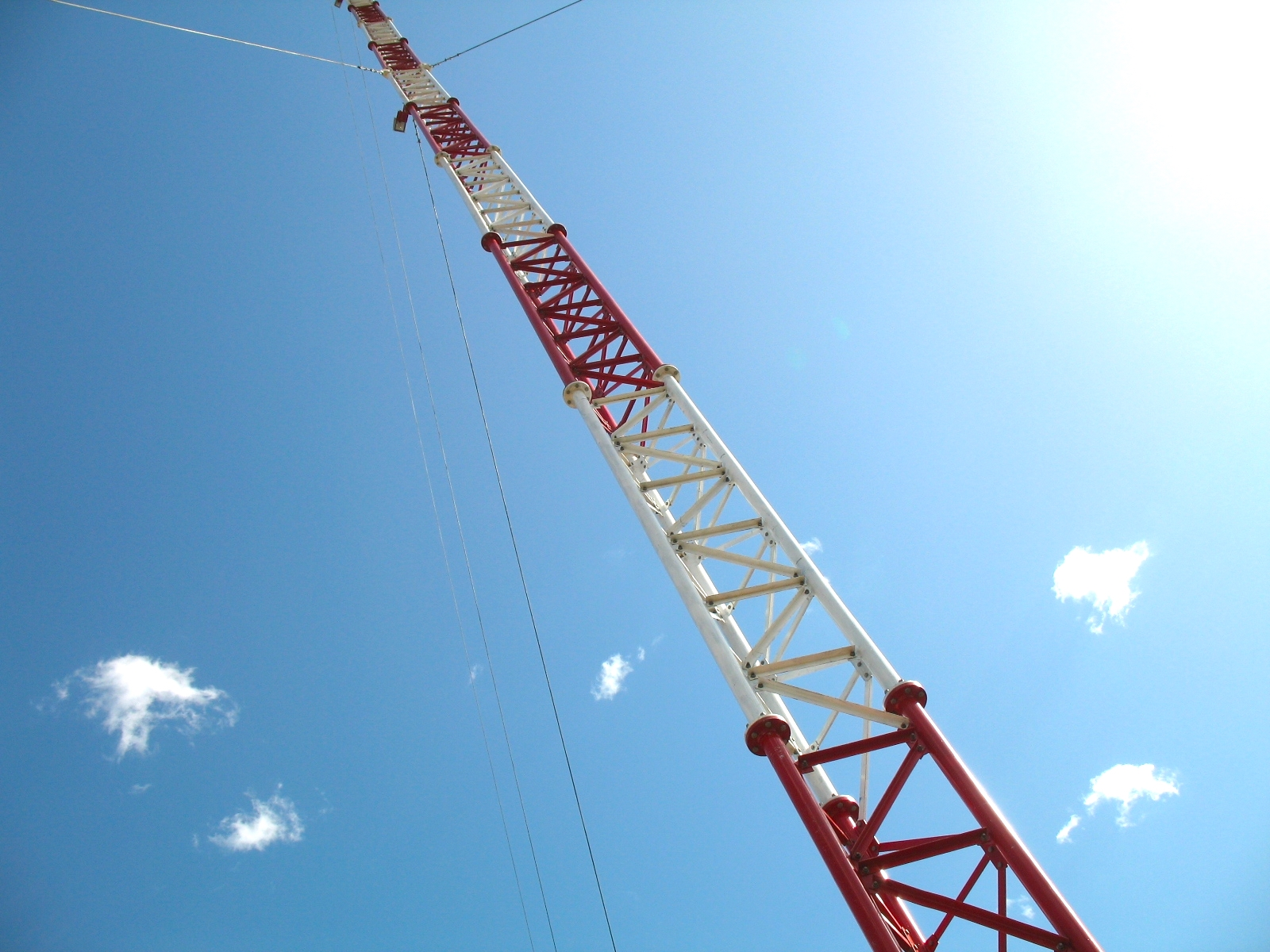
The primary distinction between these two structures lies in their interaction with the existing environment. A rooftop telecom tower is a specialized, space-efficient structure engineered to be mounted directly onto the top of existing buildings. These are often referred to as pole-hugging or low-profile towers, designed to utilize vertical space that is already available, thereby bypassing the need for extensive land acquisition.
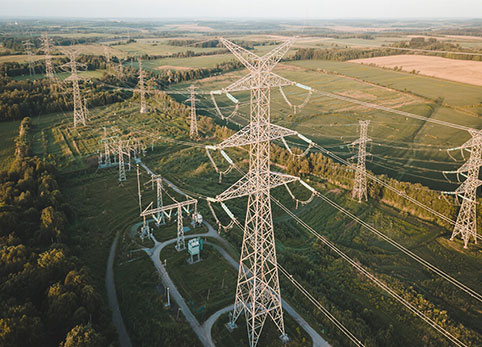
Conversely, ground-based towers—often ranging from lattice structures to self-supporting monopoles—are built directly into the earth. These structures are typically designed for rural areas, vast industrial zones, or strategic locations where building heights are insufficient to provide the necessary signal propagation. While a mobile tower on roof project is limited by the host building's structural load capacity, a ground-based tower offers greater flexibility in height and equipment capacity.
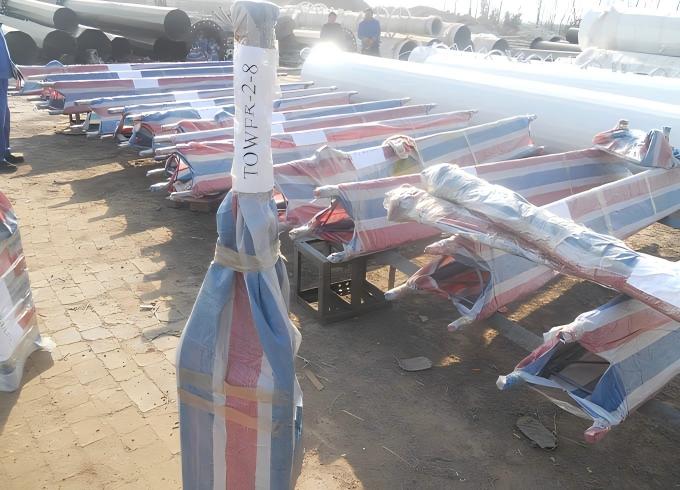
From an engineering perspective, the structural requirements for these two installations vary significantly. A ground-based tower is a standalone system; it requires a deep, dedicated foundation designed to withstand severe wind shear and soil stress over its 50-year design life.
In contrast, the installation of a rooftop telecom tower requires a multi-layered site survey to ensure the existing building’s roof can bear the weight and vibrational load of the steel. We recommend exploring our products page to view the diverse structural designs we manufacture, which cater to both rooftop configurations and large-scale ground foundations. The technical design of a mobile tower on roof often favors lighter, modular components for easier hoisting and assembly in tight urban spaces, whereas ground towers benefit from massive, heavy-duty steel components that provide stability without the constraints of architectural geometry.
For many stakeholders, the financial decision-making process hinges on the comparison between these two models. To assist in your planning, the following table summarizes the comparative factors that typically influence project budgets:
| Project Aspect | Rooftop Tower | Ground-Based Tower |
|---|---|---|
| Land Acquisition | None (Uses existing roof) | Required (High cost) |
| Foundation Cost | Low (Built on existing structure) | High (New dedicated foundation) |
| Permitting Speed | Generally Faster | Generally Slower |
| Height Flexibility | Limited by Building Height | Unlimited within zoning laws |
While the initial material cost for a rooftop telecom tower may be lower due to its simplified structure, operators must factor in potential roof reinforcement costs. Ground-based towers, while requiring higher initial capital expenditure for site development and foundation work, often prove more economical in the long run if the site is intended for massive, multi-tenant equipment loads.
Performance is the ultimate test of any infrastructure choice. In dense urban centers, a mobile tower on roof often outperforms ground-based towers because it can bypass ground-level signal obstructions like trees, smaller structures, and street-level noise. By placing the equipment higher, you achieve a more efficient "line-of-sight" path, which is crucial for 5G and high-frequency wave propagation.
However, if your objective is wide-area rural coverage or creating a backbone for a regional network, ground-based towers are the undisputed winners. They provide the structural integrity required to mount multiple sets of large-scale antennas and backhaul hardware that simply cannot be accommodated on a residential or commercial rooftop. Choosing the right setup depends on whether your project goal is local densification or regional signal propagation.
Making the right choice depends on a technical audit of your site’s physical limitations versus your network’s coverage goals. First, prioritize a structural load assessment if you are considering a rooftop telecom tower, ensuring the building's frame can handle the static and dynamic loads of the steel. If structural reserves are insufficient, a ground-based tower becomes the necessary default. Conversely, for ground-based projects, focus on geotechnical analysis and local zoning laws to confirm soil capacity and height permits. If speed-to-market is your priority in a high-density urban environment, a mobile tower on roof installation typically offers the shortest path to operation.
At Junjiang Construction, we translate these complex requirements into engineered reality through 15 years of industry experience. Our 11 R&D experts provide precise design and lofting services that bridge the gap between architectural feasibility and engineering safety. With 210 skilled workers and 200+ sets of production machines, we ensure every ground-based or rooftop telecom tower is built for maximum durability and international compliance. If you need a technical partner to navigate these critical decisions, please contact our engineering team today to determine which structural path provides the most efficient ROI for your site.
There is no single "correct" answer when comparing these infrastructure types; the choice depends entirely on your site's physical constraints and your long-term communication objectives. Rooftop installations offer an agile, cost-effective solution for urban density, while ground-based structures remain the benchmark for high-capacity, long-range connectivity. By focusing on site-specific engineering and professional manufacturing, you ensure that your investment pays dividends in uptime, signal quality, and structural safety. Regardless of your choice, partnering with an experienced manufacturer is the key to ensuring your infrastructure is built to last.
1. What is the biggest advantage of a rooftop telecom tower?
The biggest advantage is the ability to utilize existing vertical space, which eliminates the high cost of land acquisition and speeds up the permitting process in urban areas.
2. Is a mobile tower on roof as stable as a ground tower?
Yes, when engineered correctly for the building's load capacity, a rooftop tower meets the same 50-year design life and safety standards as a ground-based tower.
3. Do ground-based towers require more maintenance?
Generally, yes. Because they are often exposed to more severe environmental stressors and hold more equipment, they require rigorous, regular structural and foundation inspections.
4. Can I convert a rooftop installation to a ground installation later?
No, the two are fundamentally different. Rooftop towers are specifically designed for structural attachment to buildings, while ground towers rely on deep-earth foundations.
5. How do I decide which tower type is right for my project?
Focus on your site's topography, zoning laws, and the required signal propagation distance; Junjiang’s experts can assist you in evaluating these variables during your initial site survey.

 English
 Español
 français
 português
 العربية
 русский