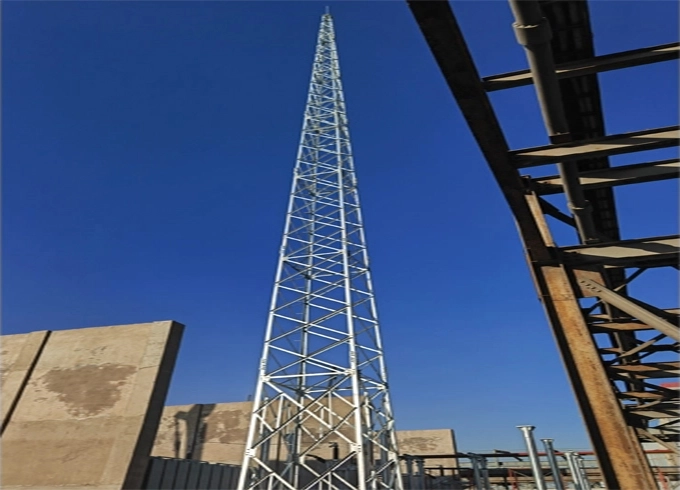
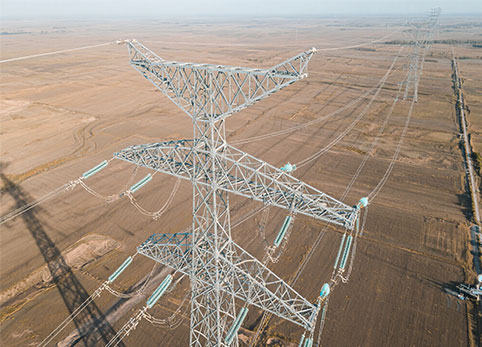
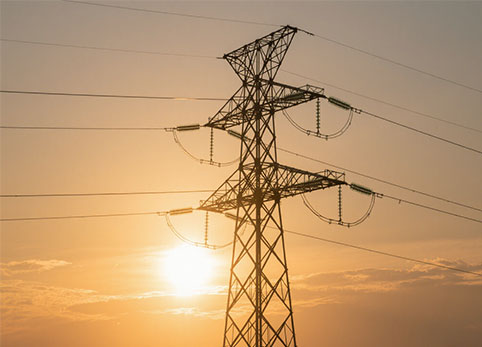
The success of any renewable energy initiative begins long before the first turbine is erected. Accurate wind resource assessment is the cornerstone of project viability, and at the heart of this assessment lie wind measuring towers. However, wind does not behave the same way in a sprawling desert as it does in a jagged mountain pass. Choosing the wrong tower for wind speed equipment can lead to skewed data, structural fatigue, or even project failure. To ensure data integrity, developers must match the structural engineering of their towers to the specific physical demands of their site’s terrain.
Before selecting a mast, developers must understand the local boundary layer—the layer of air near the ground where wind speed is influenced by surface friction. In open terrain, this layer is predictable, but in complex environments, wind flow is often disrupted by obstacles, creating turbulence.
A high-performance tower for wind speed equipment must be designed to minimize its own interference with the wind it is measuring. If a tower lacks the appropriate structural rigidity, its own oscillation—caused by high winds—can be picked up by sensors, resulting in data that does not reflect actual wind speeds. Understanding how different terrains affect tower stability is the first step in successful resource assessment. When you choose your equipment, you can explore our full range of structural designs on our products page to see how specific engineering meets these challenges.
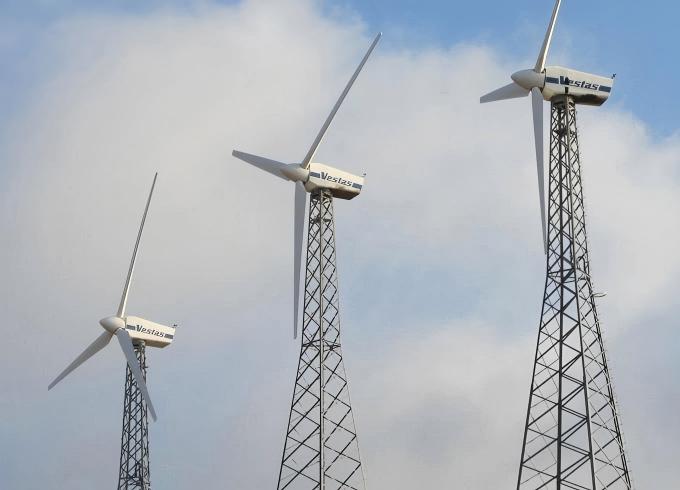
Flat plains offer the most uniform wind profiles, but their vastness creates its own set of challenges regarding cost and installation logistics. For these environments, the objective is often to maximize height while controlling infrastructure expenditure.
Structure Choice: Guyed lattice towers are the industry standard for plains.
Engineering Advantage: These structures rely on tensioned steel ropes to maintain verticality, allowing for a smaller steel cross-section, which reduces wind resistance and material costs.
Efficiency: Because the footprint is relatively small compared to the height achieved, they are ideal for developers looking to balance stability with budget constraints in wide-open landscapes.
Mountainous terrain is notoriously difficult for wind assessment due to the Venturi effect—where wind accelerates through gaps—and intense mechanical turbulence caused by uneven ground.
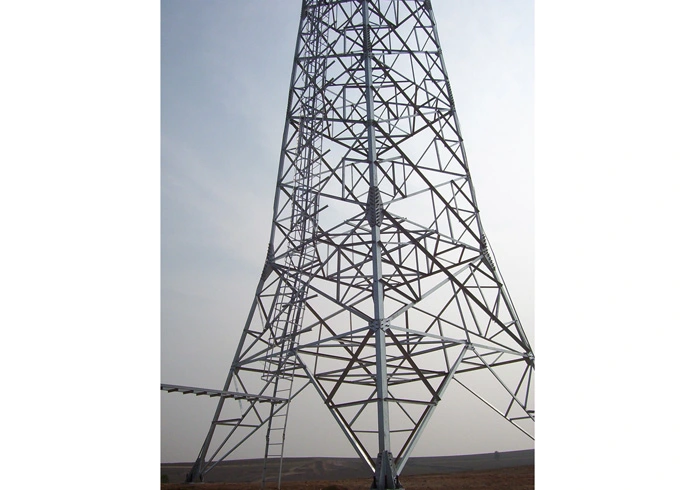
In these regions, a flexible guyed tower may suffer from excessive vibration, leading to sensor noise. Engineers typically favor self-supporting towers for these projects. These towers possess high structural rigidity, ensuring that the wind measuring towers remain rock-solid even during severe storms. By providing a stable platform, the tower for wind speed equipment ensures that anemometers and wind vanes capture clean, high-fidelity data, which is essential for calculating the "gust factor" and extreme wind shear typical of high-altitude passes.
Deserts present a unique environmental stressor: sand abrasion and extreme thermal expansion. A tower designed for a temperate climate may fail prematurely in the desert if the steel surface and bolt connections are not treated for harsh, abrasive conditions.
When deploying wind measuring towers in arid regions, the design must prioritize modularity. Desert sites are often remote, meaning that transport and assembly are critical. Using a modular truss design allows the tower for wind speed equipment to be transported in smaller, manageable segments, which can be assembled on-site with minimal specialized machinery. Furthermore, high-quality protective coatings are mandatory to prevent the rapid oxidation and surface degradation that often occurs under high UV exposure and sand-blasting conditions.
Ultimately, the choice of tower is a strategic decision that affects the project's bottom line. Investing in the wrong structure can result in data latency or loss caused by structural failure or excessive sensor vibration, and increased maintenance from frequent trips to remote sites to recalibrate sensors on a swaying tower.
For developers who need to ensure their data remains reliable for the long-term lifecycle of a wind farm, partnering with a manufacturer like Junjiang Construction is a strategic advantage. With 15 years of experience in manufacturing high-strength steel structures, Junjiang provides the engineering expertise needed to tailor the tower for wind speed equipment to your specific terrain. Our 11 R&D experts specialize in precise design and lofting, ensuring that whether you are on a flat plain or a rugged peak, your wind measuring towers serve as a stable, accurate foundation for your energy data. Our 210 skilled workers, supported by over 200 sets of production machines, ensure that each tower is built with conscientious care to meet international quality standards. If you are ready to move forward with your project, contact our engineering team today to discuss your site requirements.
Selecting the right tower for your onshore project is an investment in the accuracy of your future energy production. By carefully analyzing your terrain, you ensure that your wind assessment is based on hard, reliable data. The table below summarizes our recommended approach for various landscapes:
| Terrain Type | Recommended Tower Style | Key Design Consideration |
|---|---|---|
| Open Plains | Guyed Lattice Tower | Cost-effective and wide footprint |
| Mountainous | Self-Supporting Tower | High structural rigidity |
| Desert/Remote | Modular Truss Tower | Ease of transport and assembly |
| Industrial/Near-Site | Compact Pole-Type Tower | Minimal land footprint |
1. Why does terrain impact the choice of a wind tower?
Different terrains cause varying levels of wind turbulence and surface friction; using the wrong structure can lead to sensor vibration and unreliable wind speed data.
2. Which tower type is best for mountainous regions?
Self-supporting towers are preferred in mountainous regions because their high rigidity minimizes vibration, ensuring the tower for wind speed equipment stays stable under turbulent conditions.
3. What makes a tower suitable for desert environments?
Towers in deserts require modular designs for easier transport to remote locations and specialized protective coatings to resist sand abrasion and extreme UV exposure.
4. How do I choose between a guyed and self-supporting structure?
Choose guyed towers for cost-effective coverage in open areas with space for anchors; choose self-supporting towers for sites where space is limited or extreme stability is required.
5. How can Junjiang Construction assist with my project?
We offer 15 years of industry experience and expert design services to ensure your wind measuring towers are engineered for your site's unique topographical challenges.

 English
 Español
 français
 português
 العربية
 русский