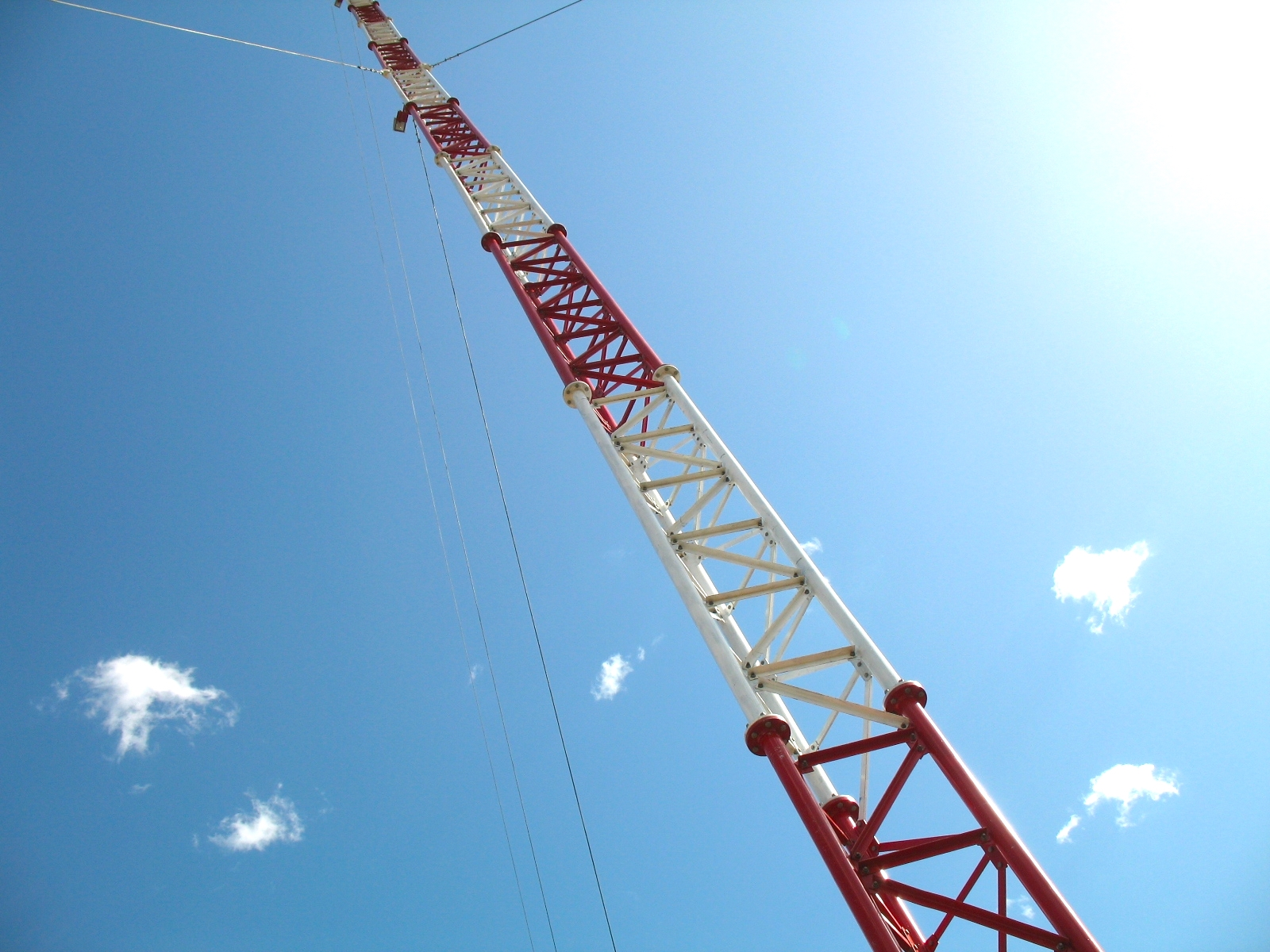
When it comes to constructing reliable vertical structures for telecommunications, broadcasting, wind energy, or surveillance applications, two main types of towers dominate the market: self-supporting towers and guyed towers. Choosing the right type of tower isn’t just about height — it's a matter of load-bearing capacity, cost, space availability, and long-term maintenance.
In this guide, we’ll explore the key differences between these two popular tower types, helping project managers, engineers, and purchasing teams make informed decisions, especially when comparing solutions from global or China-based tower suppliers.
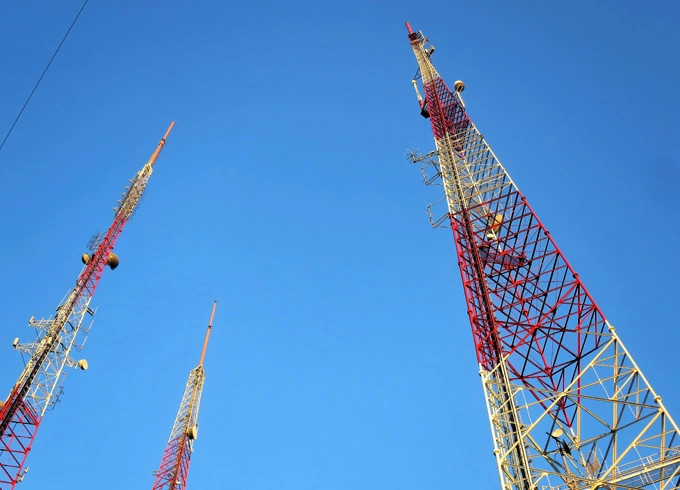
The structural design of a tower directly impacts its functionality and cost. Self-supporting towers such as 3 leg self supporting tower are freestanding lattice structures made of angle steel or tubular steel. They commonly come in triangular or square cross-section configurations and require a deep, reinforced concrete foundation to support their own weight and wind loads.
These towers are often used in environments where ground space is limited, as they don’t require external support like guy wires. Their solid structure makes them ideal for mounting multiple antennas, satellite dishes, or heavy communication equipment.
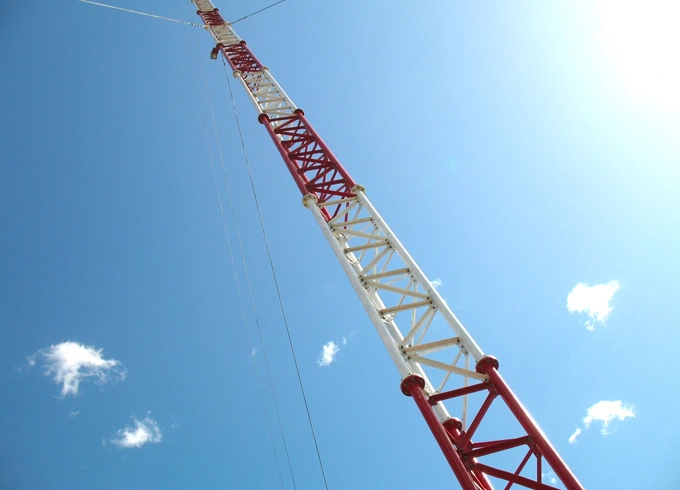
On the other hand, guyed towers are built with a central mast—usually a slender pole or truss—which is stabilized by several guy wires (tensioned steel cables) anchored to the ground at varying angles. This design significantly reduces material usage for the tower itself but requires a large radius of clear land to secure the guy wire anchors, making them unsuitable for urban installations. Many guyed tower manufacturers leverage this cost-effective structure to offer taller towers at lower prices, especially for rural or remote applications.
In summary:
Self-Supporting = Compact, heavy-duty, foundation-dependent
Guyed = Lightweight, low material cost, wide area required
From an engineering standpoint, understanding how a tower manages stress loads is essential. Self-supporting towers handle all applied forces internally, including:
Vertical loads (equipment weight, tower weight)
Horizontal loads (wind pressure, seismic forces)
Dynamic loads (vibrations, thermal expansion)
Because of this, they’re commonly used in areas prone to extreme weather or earthquakes. Their robust structure provides higher resilience and longevity in demanding environments.
Guyed towers, on the other hand, split the load:
Vertical loads are managed by the central mast.
Horizontal forces are absorbed and redirected through guy wires into anchor blocks set into the ground.
This approach allows for taller structures — some guyed towers exceed 600 meters in height — but it comes with added complexity. The performance and safety of the tower depend on precise tension calibration and ongoing guy wire maintenance, especially in areas with frost heave or shifting soils.
If you’re sourcing from tower manufacturers or exporters, especially in the China tower wholesale market, price is a critical consideration.
Lower initial cost due to minimal steel usage.
Quick to install, with less complex foundations.
Maintenance-intensive: guy wires must be monitored, retensioned, and replaced periodically.
Not suitable for areas with limited land or public access.
Higher initial investment, as more steel and a solid foundation are required.
Lower long-term costs due to reduced maintenance and fewer external components.
More flexible placement — perfect for rooftops, commercial centers, and industrial zones.
In many projects, the total cost of ownership (TCO) over 10–20 years favors self-supporting towers, especially when factoring in land cost and maintenance.
Choosing the right tower type depends not only on technical specs, but also on real-world constraints such as terrain, budget, use case, and timeline.
| Application | Recommended Tower Type |
|---|---|
| Urban communication networks | Self-Supporting Tower |
| Rural or remote cell installations | Guyed Tower |
| Rooftop or limited-ground projects | Self-Supporting Tower |
| Broadcast stations requiring extreme height | Guyed Tower |
| Harsh climate or seismic zones | Self-Supporting Tower |
| Temporary or fast-deployable systems | Guyed Tower |
Whether you’re working on a telecom project, wind energy station, or national broadcasting tower, selecting the right structure is just the first step. What’s equally important is choosing a trusted tower supplier that understands your engineering requirements, budget constraints, and installation environment.
At Junjiang Construction, we offer complete design, fabrication, and export services for both self-supporting and guyed towers. Our experienced engineers can assist you with custom design, structural calculations, wind load assessments, and component integration — all while providing a competitive tower wholesale price.
Looking for cost-effective, high-quality towers?
Contact us today for a custom quote or download our tower product catalog. We support global projects across telecom, energy, broadcasting, and defense.


 English
 Español
 français
 português
 العربية
 русский