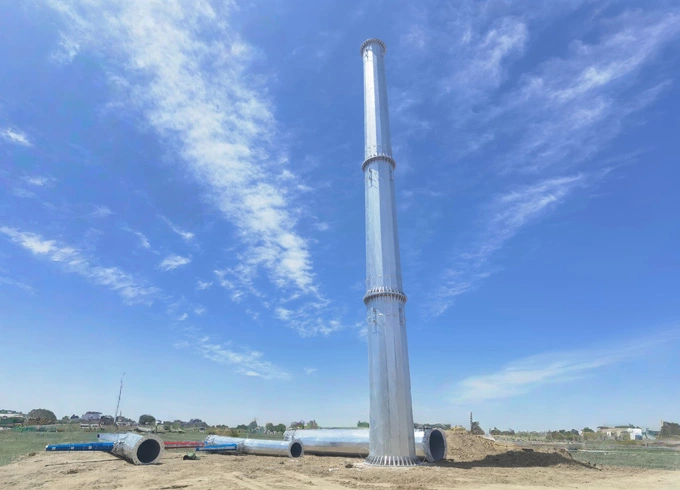
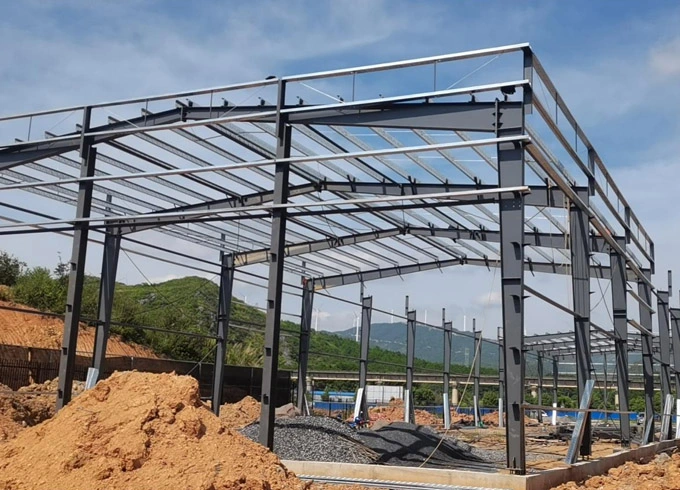
In the evolving world of telecommunications, power transmission, and broadcast systems, structural reliability is everything. The 3 legged tower—a triangular lattice structure—is fast becoming the backbone of modern infrastructure due to its efficient design, high load capacity, and adaptability to challenging environments. Whether you're building in a rural landscape or an urban hub, 3 legged towers are engineered to meet the demands of height, stability, and cost-efficiency. In this article, we explore why these towers are becoming the preferred choice across industries worldwide.
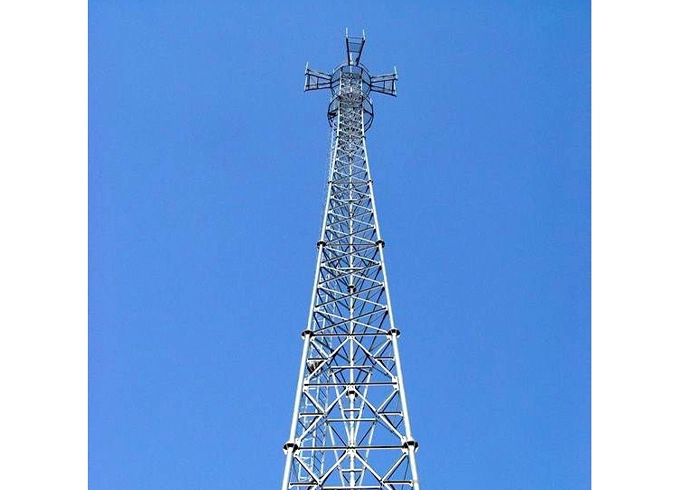
A 3 legged tower, also known as a 3 leg self supporting tower, is a freestanding lattice structure made up of three vertical steel legs connected by diagonal and horizontal bracings. This design forms a strong triangular base, which provides excellent resistance to lateral loads such as wind or seismic activity.
Unlike 4-legged towers, which require more foundation space and materials, the triangular geometry of 3 legged towers provides a more material-efficient design without compromising structural integrity. Their smaller footprint makes them ideal for areas with limited land availability while still offering exceptional support for antennas, transmitters, and power lines.
These towers are commonly fabricated in modular sections, allowing for easy transportation and quick installation on-site. Their versatility and ability to support heavy vertical and horizontal loads make them highly valuable in numerous applications.
When it comes to selecting the right tower for a project, decision-makers weigh cost, strength, footprint, and maintenance. The 3 legged tower consistently proves its value by offering a host of benefits:
The triangular configuration distributes stress more efficiently than other tower types. This allows 3 legged towers to better withstand strong wind forces and seismic pressures, especially in regions prone to extreme weather. The reduced number of legs also means fewer points of stress on the foundation, lowering the risk of failure under high loads.
Because it uses one less leg than a traditional 4 legged tower, the 3 legged tower reduces steel consumption and minimizes material and fabrication costs. Its compact base requires a smaller foundation, which lowers installation expenses. Moreover, the tower’s modular sections are easier and more affordable to transport, especially in remote or difficult-to-reach areas.
Land availability and terrain often dictate tower design. The 3 legged tower’s triangular base occupies significantly less ground space than square or rectangular towers. This makes it ideal for installation in urban environments, hilltops, rooftops, or forested areas where space is constrained or topography is uneven.
Thanks to its modular design and lighter components, the 3 legged tower is quicker to assemble on-site. It requires fewer anchor points and foundation elements, which speeds up the overall build time. The open lattice structure also allows for easier inspections and maintenance work, reducing long-term operational costs.
The adaptability of 3 legged towers has made them a staple in several critical industries. Here's where they shine most:
Mobile operators and internet providers widely adopt 3 legged towers to support antennas and transmitters for 4G, 5G, and wireless broadband networks. Their ability to reach great heights while withstanding wind loads makes them ideal for delivering strong and consistent signal coverage across wide geographic areas.
TV and radio broadcasters rely on elevated platforms to ensure signal clarity and reach. The 3 legged tower provides the height and stability necessary for mounting heavy broadcasting equipment, especially in rural or mountainous areas.
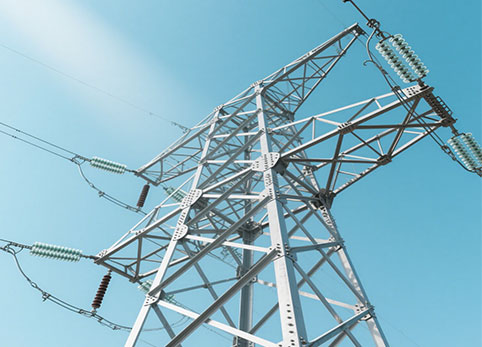
In the energy sector, 3 legged towers are often used to support high-voltage power transmission lines, particularly in terrains where traditional 4 legged lattice towers are not viable. Their reduced weight and easier logistics make them more suitable for long-distance transmission routes.
Meteorological agencies and government bodies use these towers for mounting sensors, weather radars, and surveillance cameras. The minimal ground disturbance and ease of equipment mounting make 3 legged towers the structure of choice for environmental and security monitoring stations.
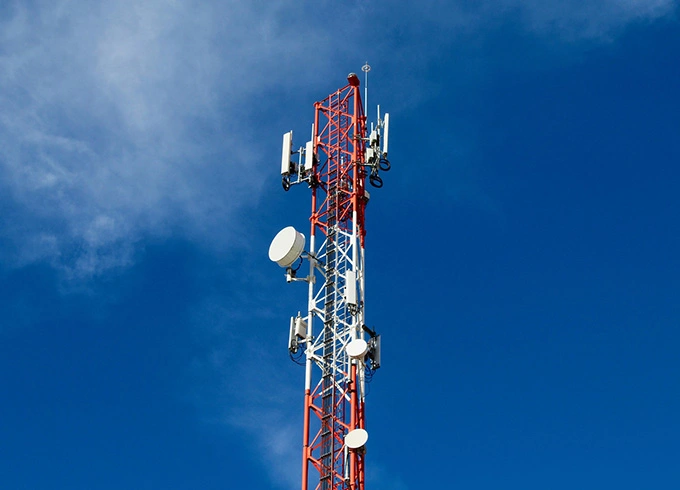
In addition to cost and performance, sustainability is a growing concern in infrastructure development. Fortunately, 3 legged towers offer several eco-friendly advantages:
With one less leg and a lighter bracing system, 3 legged towers use significantly less steel than their 4 legged counterparts. This not only lowers project costs but also reduces the carbon footprint associated with material production and transportation.
Made from galvanized steel, most components of a 3 legged tower are recyclable and reusable. The modular construction also allows parts to be repurposed or replaced without dismantling the entire structure, minimizing waste during upgrades or decommissions.
Thanks to its compact base, a 3 legged tower has a smaller impact on the land, preserving more of the surrounding natural environment. This is particularly valuable for installations in ecologically sensitive areas or farmland. Telecom lattice towers, with their efficient design, also minimize land disruption, making them an ideal solution for deploying telecom networks in such areas. Their lightweight yet strong structure supports a wide range of telecommunications equipment while ensuring minimal ecological footprint.
If your infrastructure project demands a strong, space-efficient, and budget-friendly solution, the 3 legged tower is an excellent choice. Its ability to support heavy loads, resist environmental stress, and adapt to various terrains makes it one of the most versatile tower structures available today.
Whether you're planning a telecom rollout, building power transmission routes, or setting up a broadcasting station, choosing a 3 legged tower is not just a smart technical decision—it's an investment in durability, flexibility, and long-term performance.
1. What makes a 3-legged tower strong and durable?
A 3-legged tower combines a triangular steel framework with reinforced bracing to create a strong and durable structure capable of supporting telecom and utility equipment over the long term.
2. Why is a 3-legged tower considered efficient?
Its efficient design uses fewer materials while maximizing structural stability. This helps reduce manufacturing, transport, and installation costs.
3. What industries use 3-legged towers?
3-legged towers are widely used in telecommunications, broadcasting, power transmission, surveillance systems, and infrastructure development projects.
4. Is a 3-legged tower suitable for limited land areas?
Yes. Its compact footprint makes it ideal for urban spaces, hilltops, rooftops, and locations where installation space is limited.
5. Are 3-legged towers a sustainable infrastructure solution?
Yes. Their reduced steel consumption, modular structure, and long service life make them an efficient and sustainable choice for modern infrastructure projects.
You May Also Like
How Do Camouflage Monopole Towers Blend Technology with the Environment?
What Key Insights Drive Telecom Tower Construction Planning and Execution?
The Versatility and Strength of Lattice Steel Poles in Modern Telecommunication
Why Choose Junjiang’s Electrical Angular Steel Tower for Reliable, High-Voltage Power Transmission


 English
 Español
 français
 português
 العربية
 русский