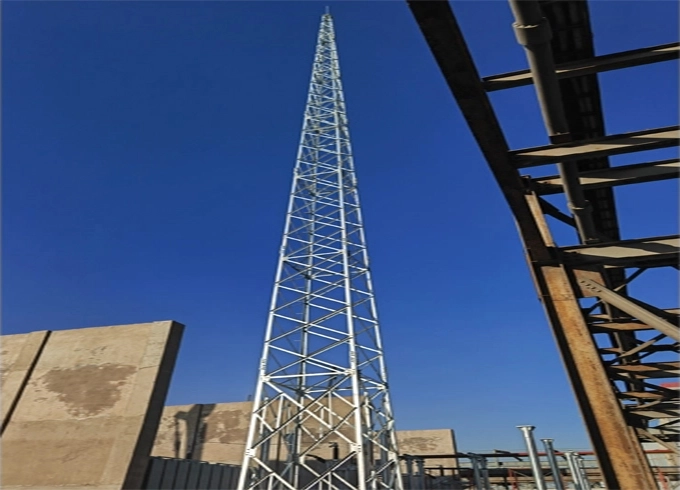
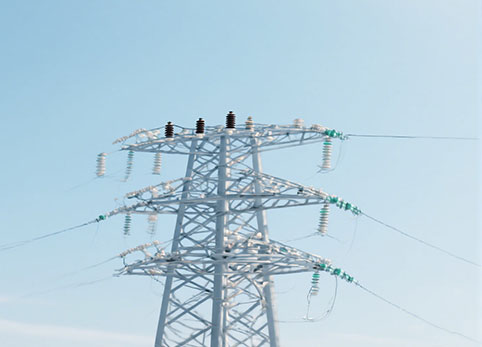
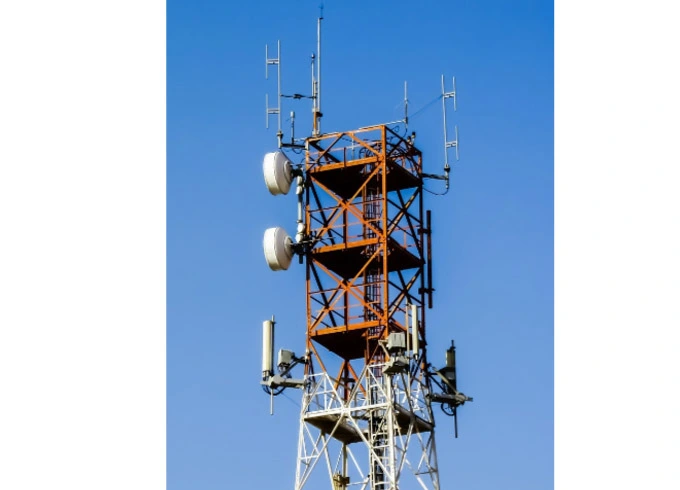
As the demand for reliable wireless communication continues to grow, the rooftop telecom tower has become an essential solution for expanding mobile network coverage in urban areas. These towers are installed on the rooftops of buildings to enhance signal transmission without occupying valuable ground space. However, choosing the right rooftop telecom tower involves careful evaluation of several critical factors. Below, we outline the key considerations to help guide your decision-making process.
Before installing a rooftop pole tower, it is crucial to evaluate whether the building can support the additional load. Not all rooftops are designed for the weight and wind resistance requirements that a telecom tower demands. A structural assessment by a certified engineer is necessary to determine reinforcement needs, especially for older or high-rise buildings.

| Parameter | Importance |
|---|---|
| Roof load capacity | Ensures building can handle tower weight |
| Wind resistance | Prevents structural damage in strong winds |
| Vibration control | Reduces impact on building and equipment |
Proper evaluation ensures the rooftop telecom tower operates safely and efficiently without compromising the integrity of the structure.
The performance of a rooftop telecom tower heavily depends on its height and position. Coverage requirements should be clearly defined based on the location's network needs. The higher the tower, the broader the potential coverage—but excessive height can lead to zoning restrictions or aesthetic concerns.
It's essential to balance height with coverage expectations and local regulatory constraints. Choosing the optimal height allows the rooftop telecom tower to deliver strong, stable signals while complying with local codes.

Rooftop telecom towers come in various types, including monopoles, lattice towers, and angular frames. The selection should align with technical specifications, available rooftop space, and project budget. Material choice—typically steel or galvanized iron—should also take into account environmental conditions such as humidity, temperature, and air pollution.
Common Tower Types:
Monopole – Space-saving, easy to install, ideal for small rooftops
Lattice – High strength, suitable for multiple antennas
Angular frame – Modular design, flexible for varied rooftop layouts
Selecting the right type of rooftop telecom tower ensures long-term durability and optimal performance under site-specific conditions.
Compliance with local building codes, telecom regulations, and safety standards is non-negotiable. The rooftop telecom tower must be designed, fabricated, and installed in accordance with national and regional standards, such as wind load requirements and electromagnetic emission guidelines, while also taking into account different types of telecommunication towers that may be suitable for specific project needs.
Safety measures such as lightning protection, secure ladder access, and anti-corrosion coatings must be incorporated into the design. Additionally, professional installation by certified technicians helps prevent operational failures and ensures the safety of building occupants.
Choosing the right rooftop telecom tower requires a thorough understanding of structural limitations, network goals, and regulatory requirements. By assessing building compatibility, defining coverage needs, selecting the appropriate tower type, and ensuring full compliance with safety standards, stakeholders can implement a reliable and efficient rooftop telecom tower solution. Many projects achieve excellent results by sourcing a quality China steel tower, which combines durability with cost-effectiveness. With the right approach, a rooftop telecom tower can significantly enhance connectivity while minimizing space usage and visual disruption.

 English
 Español
 français
 português
 العربية
 русский