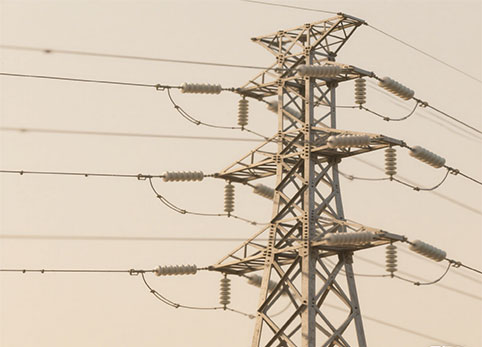
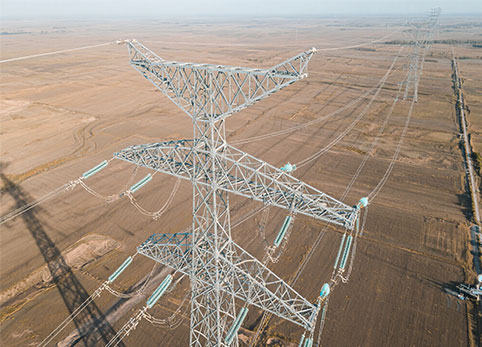
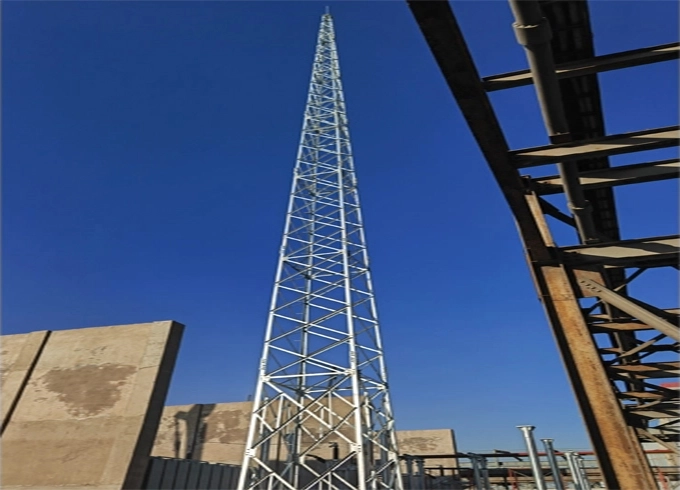
In today’s hyper-connected world, mobile communication has become a fundamental part of daily life. From streaming videos and making calls to enabling IoT devices, wireless networks rely on a complex infrastructure that ensures speed, stability, and coverage. At the heart of this infrastructure lies the tower base transceiver station (BTS). While invisible to the average user, BTS technology is the key component that makes seamless communication possible. This article explores what a tower base transceiver station is, its importance, and how it is evolving to meet future network demands.
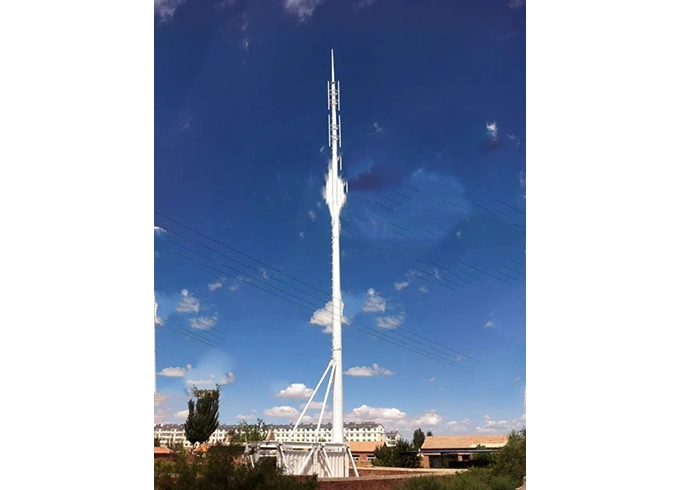
A tower base transceiver station is the equipment installed at the base of a telecom tower to facilitate wireless communication between user devices (like smartphones) and the broader cellular network. It houses radio transceivers, antennas, and supporting hardware that transmit and receive signals within a specific area known as a “cell.”
The BTS not only ensures communication quality but also manages multiple users simultaneously, allocates bandwidth, and reduces interference. In simple terms, the tower base transceiver station is the central hub that connects mobile devices to the network core, making real-time communication possible.

A tower base transceiver station performs a range of critical functions that make it the backbone of mobile communication networks:
Signal Transmission and Reception
The primary role of a BTS is to transmit signals to mobile devices and receive responses. This process allows users to make calls, send text messages, or browse the internet.
Frequency Management
BTS systems allocate specific frequency channels to different users, ensuring efficient use of limited spectrum resources and minimizing interference.
Handover Support
When users move from one coverage area to another, the BTS coordinates with neighboring stations to hand over the connection smoothly without interruptions.
Power Control
To maintain communication quality, BTS adjusts transmission power based on distance and network conditions. This ensures reliable coverage without wasting energy.
Data Handling
Beyond voice, modern BTS units are responsible for handling high-speed data transfer, supporting services such as video conferencing, gaming, and mobile banking.
The mobile tower bts has wide applications that extend beyond traditional voice and data communication:
Urban Communication Networks
In cities with dense populations, BTS units are essential for maintaining strong coverage and meeting high data demands.
Rural Connectivity
Telecom operators deploy BTS in remote and rural areas to bridge the digital divide, ensuring that communities can access mobile networks and the internet.
Emergency and Disaster Response
Portable BTS systems are often deployed in disaster zones to quickly restore communication services for emergency teams and affected populations.
IoT and Smart Cities
With the rise of IoT devices and smart city applications, BTS units are increasingly designed to support machine-to-machine communication, enabling intelligent traffic systems, connected healthcare, and industrial automation.
5G and Beyond
Modern BTS infrastructure supports advanced technologies like 5G, which require higher data throughput, ultra-low latency, and massive connectivity. This makes the tower base transceiver station a critical enabler of future digital transformation.
As mobile technology continues to evolve, the tower base transceiver station is undergoing rapid transformation. Some of the key trends shaping its future include:
Integration with 5G Networks
The rollout of 5G requires denser networks with more BTS units deployed closer to users. Advanced BTS designs now incorporate massive MIMO (multiple-input, multiple-output) and beamforming technologies to enhance performance.
Energy Efficiency and Sustainability
With increasing focus on green communication infrastructure, modern BTS solutions emphasize energy savings through renewable power integration, intelligent cooling systems, and efficient power amplifiers.
Miniaturization and Flexibility
New compact BTS units are being designed for easy deployment in urban environments, indoors, and even on vehicles. These solutions offer flexibility for telecom operators while reducing costs.
Cloud and Virtualization
Virtualized BTS (vBTS) leverages cloud computing to centralize network functions, making infrastructure more scalable, cost-effective, and adaptable to future demands.
Enhanced Security
With more devices connected than ever, BTS infrastructure must incorporate advanced cybersecurity measures to protect sensitive user data and prevent malicious attacks.
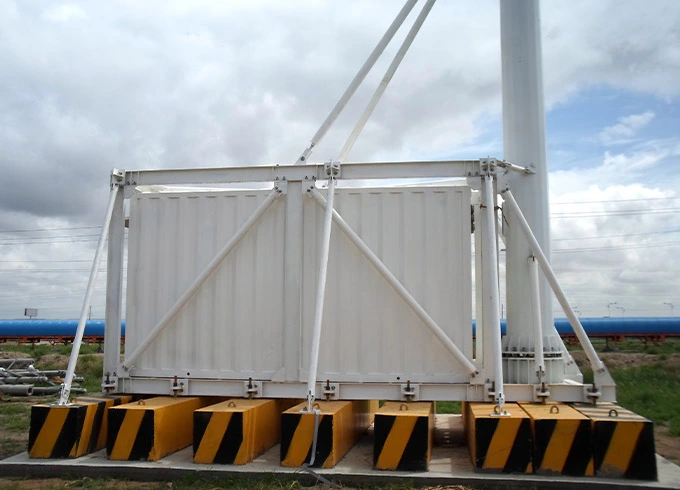
The tower base transceiver station may not be visible to most mobile users, but it remains the silent powerhouse enabling global connectivity. From ensuring clear calls to powering smart city applications, BTS infrastructure is the bedrock of modern wireless networks. As 5G, IoT, and digital transformation reshape communication needs, tower base transceiver stations will continue to evolve—becoming smarter, greener, and more efficient.
For businesses, telecom operators, and governments, investing in reliable BTS infrastructure is no longer optional; it is essential for staying connected in the digital age.

 English
 Español
 français
 português
 العربية
 русский