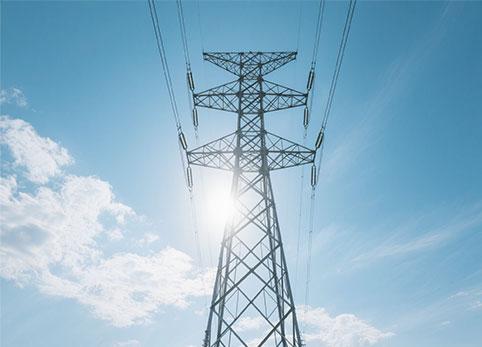
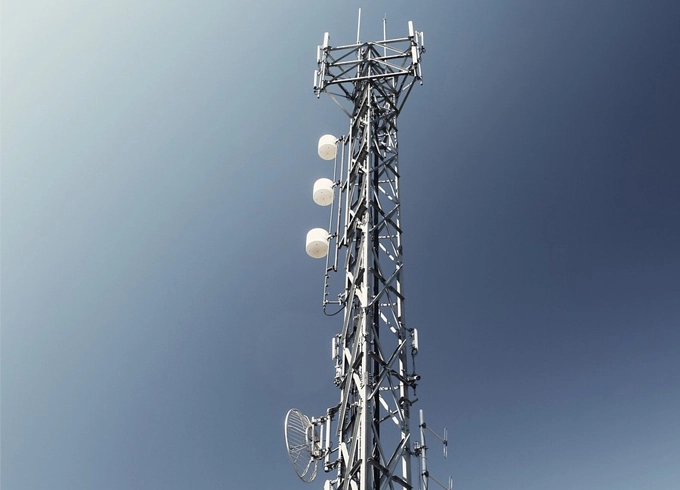
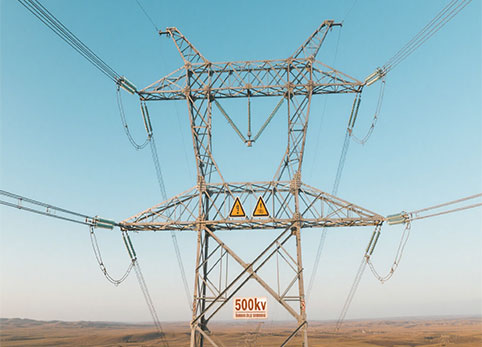
Angle steel towers are a popular choice in various industries due to their outstanding structural properties, efficiency, and cost-effectiveness. These towers are commonly used in telecommunications, power transmission, and other infrastructure projects. In this article, we will explore the key benefits of angle steel towers and how they outperform other types of towers.
One of the primary advantages of an angle steel tower is its exceptional durability and strength. Angle steel, with its unique shape, offers better resistance to external forces such as wind, seismic activity, and heavy loads. This makes the angle steel tower highly reliable for supporting heavy equipment and withstanding challenging environmental conditions.

| Feature | Advantage |
|---|---|
| High tensile strength | Withstands heavy loads and stresses |
| Excellent corrosion resistance | Ideal for use in harsh environments |
| Long service life | Low maintenance costs over time |
These features ensure that the angle steel tower maintains its structural integrity for many years, even in extreme conditions.
When compared to other types of towers, angle steel towers are generally more cost-effective. The material cost of angle steel is relatively lower, and the manufacturing process is efficient. The modular design of the angle steel tower also reduces installation costs, as it allows for faster assembly and less complex construction.
Angle steel towers can be produced in bulk, and since they are easier to transport and install, both time and labor costs are minimized. These factors make angle steel towers a smart choice for large-scale projects with tight budgets.

Angle steel towers are known for their flexibility in design. The use of angle steel allows for customized designs tailored to the specific needs of each project. These towers can be designed in various heights, sizes, and shapes, making them suitable for a wide range of applications, from power transmission to telecommunications.
Moreover, angle steel towers can be easily adapted to different geographical conditions, ensuring that they perform optimally in both urban and rural environments. This versatility makes angle steel towers a preferred option for various infrastructure needs.

Maintaining an angle steel tower is relatively simple due to its robust construction and corrosion-resistant materials. The design of the tower allows for easy access to all its components, making routine inspections and repairs more straightforward. Additionally, angle steel towers are designed to minimize wear and tear, further reducing maintenance efforts.
Regular upkeep is essential to maintaining the tower's integrity, and the longevity of an angle steel tower ensures that maintenance costs remain low over its lifetime. This ease of maintenance makes angle steel towers a long-term investment for many industries.
In summary, angle steel towers offer numerous advantages that make them ideal for a variety of industrial applications. Their strength, cost-effectiveness, flexibility, and ease of maintenance make them a top choice for infrastructure projects. Whether used for telecommunications, power transmission, or other applications, the angle steel tower is a reliable and efficient solution that continues to meet the growing demands of modern industry.

 English
 Español
 français
 português
 العربية
 русский